
 2 years ago
128
Riding in the rain can seem scary, but with this comprehensive list, it can be quite enjoyable whilst being safe.
Published On Jun 10, 2024 02:44:00 PM

With the monsoon just around the corner, here are a few tips to prepare yourself and your two-wheeler to make riding in the rain a bit easier.
Before you ride
It’s always a good idea to get a routine service or check-up done ahead of the rainy season. If your bike has any issues that hamper riding in the dry, they’re only going to get amplified when riding in the rain.
Tyre condition: Inspect your tyres for wear. If they're near the end of their life, it's best to just replace them, even if you believe they've got a little bit of life left. Tyre tread is designed to disperse water, so having adequate tread depth is essential for riding on wet surfaces. Of course, just having decent tread depth doesn't ensure good grip in the wet. If the tyres are too old, (most two-wheeler tyres should be replaced within 5 years) chances are that the rubber has gone hard, and hardened tyres will end up being nearly as bad as bald ones in the wet. So, if you see tiny cracks on your sidewalls, irrespective of the mileage you’ve racked up, it’s best to replace your tyres.
Tyre pressure: Running tire pressures a psi or two below the manufacturer's recommendation is advisable in the rain (just like on track). This increases the tyre-to-road contact patch, giving you a little more grip on wet surfaces. Just remember that if you go too far, it will have an inverse effect on your grip. And, don’t forget to return to specified tire pressure during a dry spell. Also keep in mind that for the increased grip, you’ll have to live with slightly heavier steering.

Waterproofing: The best idea is to get yourself some waterproof gear. But since that can be prohibitively expensive, if you’re on a tight budget, get some rain gear that fits over your regular riding gear. Your rainwear needs to be loose enough so that it doesn't hamper movement on the bike, yet snug enough that it doesn't flap about in the wind or snag on any part. This becomes especially critical when it comes to rain pants. The more comfortable you are on the bike (read: dry and warm), the better you can concentrate on riding in the tricky conditions posed by the inclement weather and our road network.
Get booted: Boots are an often-overlooked aspect of riding in the rain. Dry feet go a long way in keeping you comfortable on the bike, so investing in a good pair of waterproof boots, while quite pricey, is well worth the initial investment.
Lighten up: Rain means poor lighting and hampered visibility, even during the day. While you might prefer darker colours, it might be a good idea to invest in some brightly coloured rain gear as it makes you more visible in poor conditions. If that’s not your cup of tea, at least ensure your gear has enough reflective strips thrown in.
Visibility: Another effect of the poor lighting – generally avoid using dark or tinted visors on your helmet in the rains. Clear visors give you a much better view especially in gloomy monsoon conditions. Also, make sure your visor is clean before you start riding. If your visor seems to be worse for wear, it might be a good idea to invest in a replacement before the monsoon sets in. Avoid using any substances like wax to make the visor repel water, as this can damage the visor and hamper visibility.
Maintainance: It's always advisable to carry a clean, dry microfiber cloth along to clean your visor if it gets wet or dirty. If it's muddy, pour some water on it to clear the muck before wiping it with a cloth; if you don’t, you run the risk of scratching your visor.

On the bike
Better control: Wet roads mean less traction, so all your inputs need to be smoother in order to avoid exceeding this limited traction threshold. Avoid any sudden actions on the motorcycle – as much as possible do not rapidly open the throttle, suddenly clamp down on the brakes really hard or steer the bike aggressively. Such jerky movements can very easily overwhelm the limited amount of traction available to your tires, possibly causing you to be thrown into an unfortunate situation. Be smooth and progressive with your inputs.
Right techniques: Proper braking techniques become even more essential in wet conditions. If your bike has ABS, it will let you slam the brakes hard on wet roads without locking up, but if your two-wheeler doesn't have ABS, you have to be extra careful when braking. Again, it's essential to be progressive with your inputs. Learn to feel what the tires are doing when you apply the brakes. When you sense the tires are about to lock, ease off the brakes a little.
Kill speeds: The first showers of the year are exceptionally treacherous, since these tend to leech out the oils and grime from the road surface, making it extra slippery. Keeping speeds lower than normal is recommended throughout the monsoon, but especially so during the initial few weeks.
Unsafe lines: Road markings such as lane separators, zebra crossings, and even manhole covers tend to be extra slippery when wet. Avoid riding over them as far as possible. Also avoid riding in the centre of a lane, since this is where other vehicles tend to leak oil and other fluids. Instead, stick to one side and follow the wheel-tracks of the other vehicles. This will not only save you from the dropped fluids, but you will also be able to benefit from a drier surface since the other vehicles have displaced water in these areas.

Maintain social distancing: Braking distances are longer in the wet, so remember to maintain more distance from vehicles ahead of you than you normally would. This gives you extra room to slow down and also helps you avoid the spray from rear tires.
Headlights on: Even if it isn’t actually raining and is just overcast, it’s advisable to ride with your headlight on (not just your DRLs). This is for the same reason as high visibility riding gear. The gloomy conditions in the monsoons reduce contrast, so running your headlight helps make you more visible to other road users.
No splashes, please: While it might be fun to splash through a puddle, avoid it as much as possible. If the puddle is deeper than you expect, the sudden deceleration might make you lose control. Plus, on our roads, there’s a good chance a deep pothole is lurking under all that standing water. If riding through standing water is unavoidable, then it's best to keep a slower speed, a lower gear, and ride through with a constant throttle. This will help avoid a big splash that might just allow water to creep into the spark plug region. It’s also worth keeping in mind that your actions have consequences, and fellow road users/pedestrians may not enjoy water splashes as much as you do.
In the corners
No sudden movements: As long as you don't make any sudden movements on the bike, things should be just fine. Shift your body into position gradually and smoothly, and as mentioned earlier, make sure your brake, throttle and steering inputs are as smooth as possible to maintain optimal traction.
Optimise grip: You are not going to be able to carry the same lean angles in the wet as you do in the dry so choose lines and speeds through corners which will allow you to keep your bike more upright, ensuring you have more grip in the turns.
Avoid trail-braking: Yes, even if your bike has ABS. Suddenly slowing down when your bike is leaned over on a wet road can cause the front end to tuck in and can result in you ending up on the pavement. As far as possible, scrub off your speed in a straight line before pitching your motorcycle into the turn. The only exception to this is motorcycles that come with IMU-based cornering ABS, which are more successful at keeping you upright when braking while leaning over.
After the ride
Your job isn’t over after you park the bike safely. These following tips will go a long way in maintaining and extending your bike’s life for the years to come.
Clean-up: During the monsoons, it's a good idea to get your bike pressure washed more often than you would during other seasons. Muck that gets sprayed into your bike can damage components over time, and also accelerate corrosion. Washing all the little nooks and crannies of your bike regularly, and then drying them thoroughly will ensure a longer life for all the components.

Chain care: Most bikes these days come with exposed chains which need more attention during monsoons. When washing your bike, pay particular attention to the chain, and lube it generously once washed and dried. This will improve the longevity of the chain, allowing your bike to run smoother for longer.
Special tips for riding an electric scooter, bike through the rains
Electric two-wheelers are now a common sight on our roads, in both rural as well as urban areas. While all of the precautionary measures listed above should be followed, there are a couple more that are specific to EVs.
Don’t get low: The battery pack on an electric two-wheeler is almost always the lowest hanging element of the vehicle so you need to be extra mindful of road imperfections. It's not like EVs have very little ground clearance compared to ICE vehicles but a crucial component like the battery is placed very low on an EV, which is why you need to exercise extra caution. Large speed breakers and potholes masked by standing water are some of the many challenges posed by our roads to your EV’s battery pack.

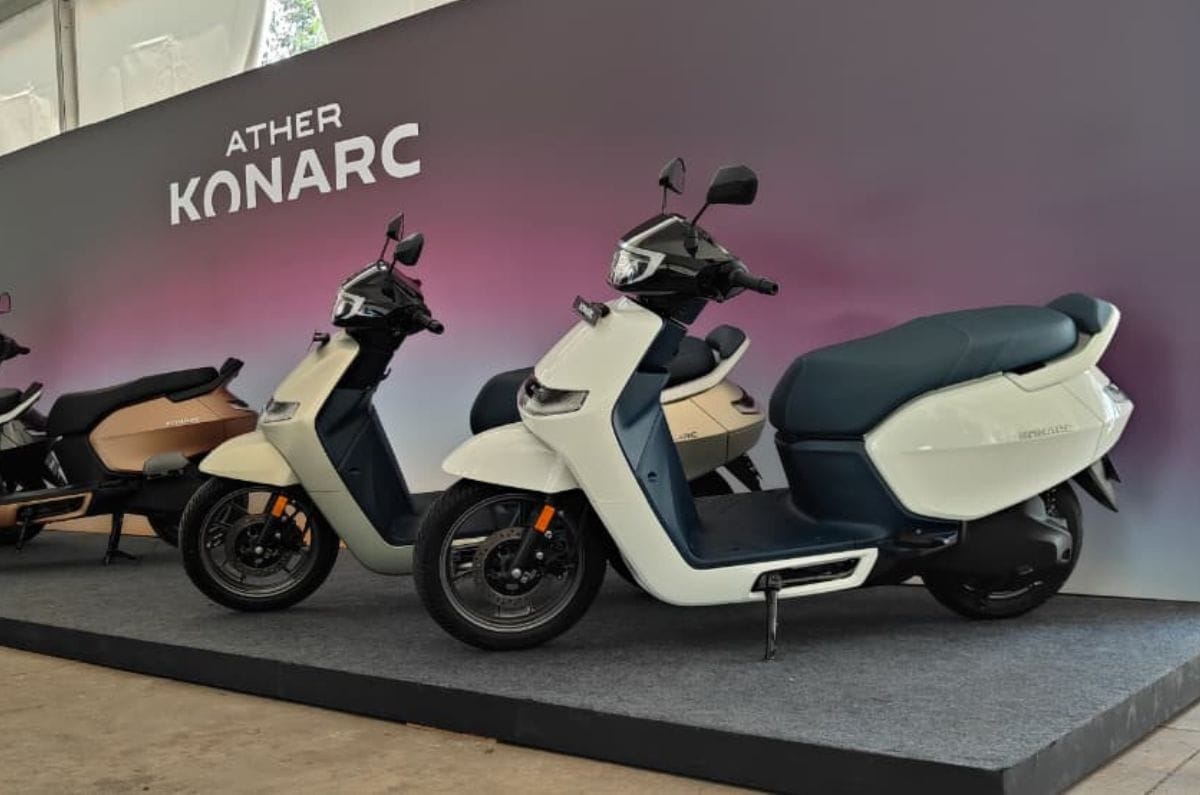
Dial it down: EVs are famed for their instant torque and strong initial acceleration compared to their ICE counterparts. Warp mode on the Ather 450X and Hyper mode on the Ola S1 Pro is one of the reasons people buy these scooters, for that fun instant burst of acceleration. However, during the rains, traction is in limited supply, especially on our roads so we advise you to not to be in the mode with the sharpest, most direct throttle response to ensure smoother acceleration with minimal loss of traction.
On the move: If you encounter a puddle of water, as much as possible try to keep moving and not stay stationary in the puddle. Our roads are infested with all sorts of grime and the dirty water will not only leave stains on your vehicle once it dries out, the more pressing issue is, some water might seep into crucial components like the motor, causing mechanical problems.
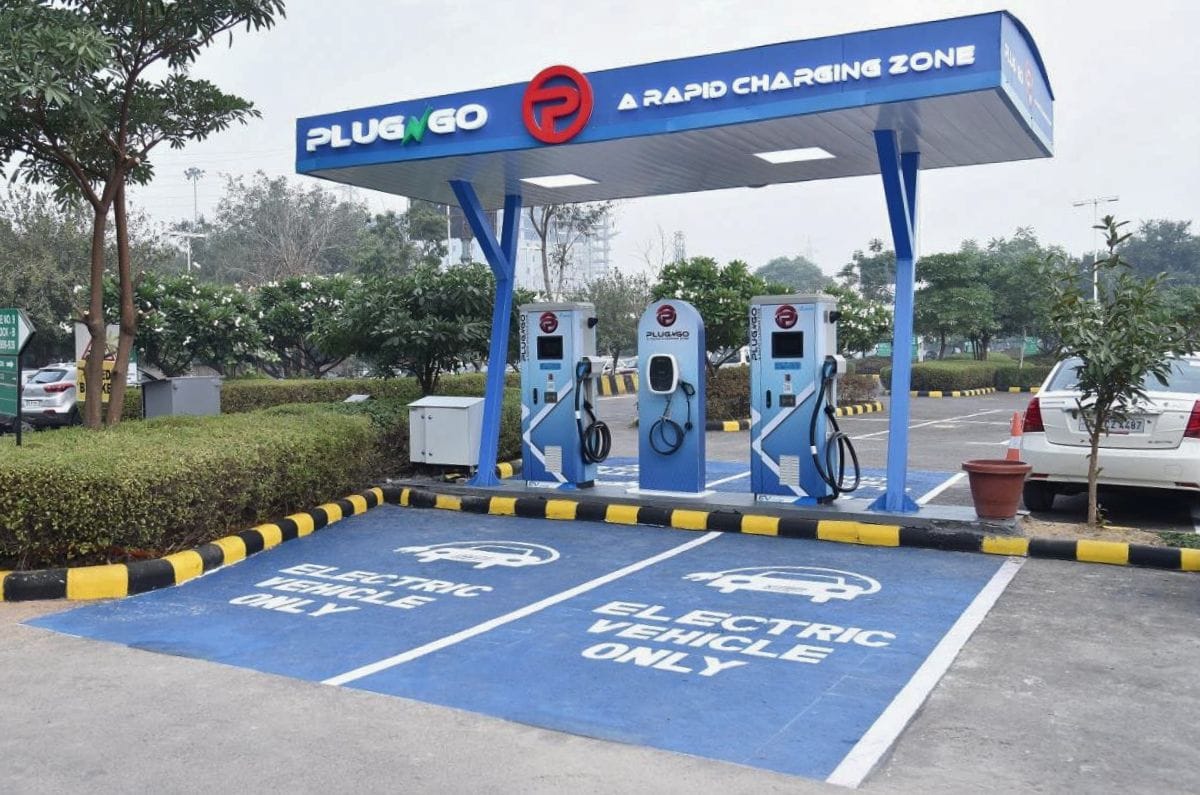
Keep it under wraps: This tip is something that’s not related to when you’re riding but it is an important one to bear in mind for an EV nonetheless. While most electric scooters and bikes that come from the stables of reputed Indian companies have waterproof chargers and charging sockets, it is still advisable to charge them in a shaded area so there is no water seepage into either the charger or the charging port causing any electrical problems to either your vehicle or the charger.
Copyright (c) Autocar India. All rights reserved.
×
Member Login
Personal Details
OR

No comments yet. Be the first to comment.







 English (US)