May 24, 2024, 05:08:07 PM IST
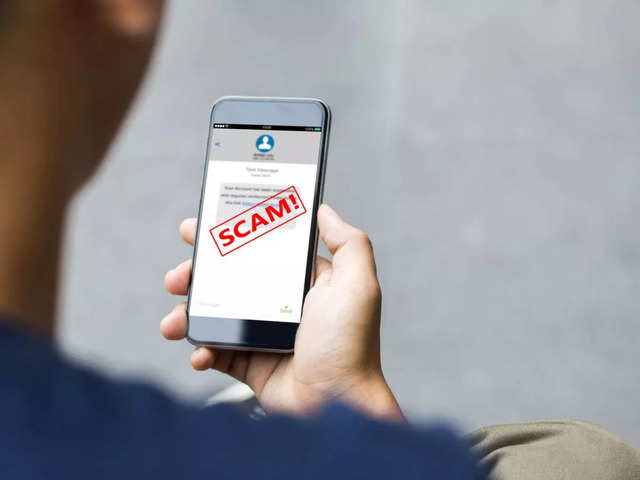
Fraudulent messages often create a sense of urgency or trick you into acting fast. They might warn about account suspension, blocking your ATM card, or missing out on a limited-time offer. Be cautious of messages asking you to take immediate action.
iStock

Legitimate banks typically send messages from specific phone numbers or email addresses. Be wary of messages from unknown numbers or addresses with generic greetings like "Dear Customer" instead of your name.
iStock
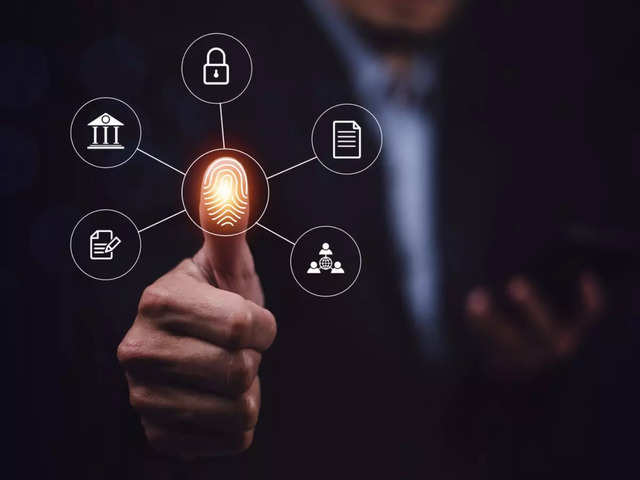
Real banks will never ask for sensitive information like your password, CVV code, OTP (One Time Password), or full account number via SMS or email. If a message asks you to update or verify such details, don't respond and contact your bank directly.
iStock
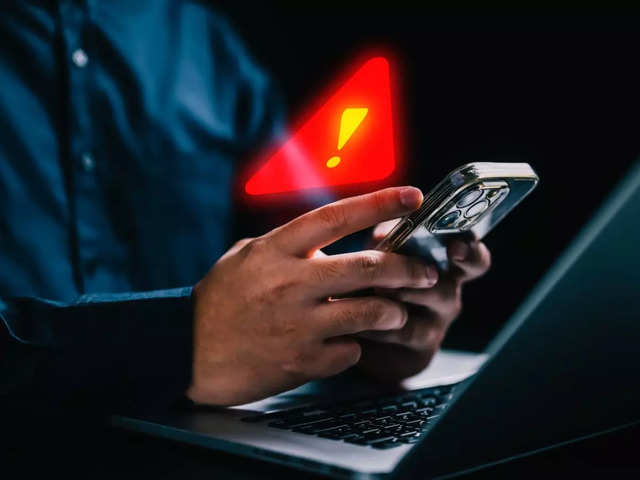
Phishing messages might contain links that appear legitimate but can lead to fake websites designed to steal your information. Never click on shortened URLs or links within suspicious messages.
iStock
Legitimate bank messages usually have proper grammar and formatting. Typos, grammatical errors, or unprofessional language can be red flags for a fraudulent message.
iStock

If you're unsure about a message, it's always best to contact your bank directly through their official contact information (phone number or website) and inquire about the message's legitimacy.
iStock

 2 years ago
152

















 English (US)